
Hardwood flooring is a popular choice across UK homes, from Victorian terraces in London to modern flats in Manchester. Its durability and timeless appeal make it a premium investment, but over time, scratches are inevitable. Whether caused by furniture, pets, or everyday foot traffic, surface damage can make even the best floors look worn.
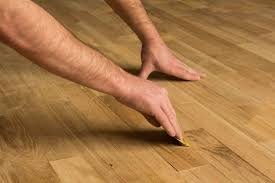
The good news is that not all scratches require sanding or professional refinishing. In many cases, you can restore your hardwood floor yourself using simple techniques and tools.
Understanding the Type of Scratch
Before starting any repair, it’s essential to identify the severity of the scratch:
- Surface scratches: Light marks affecting only the finish
- Shallow scratches: Slightly deeper but not penetrating the wood
- Deep scratches: Cuts into the wood grain itself
Most UK homeowners deal with surface and shallow scratches, which are relatively easy to fix.
Cleaning the Area First
Always begin by cleaning the damaged area. Dirt and debris can worsen the appearance of scratches and interfere with repair products.
Use:
- A soft microfiber cloth
- Warm water mixed with mild wood floor cleaner
Avoid excessive water, as moisture can damage wood flooring, especially in older UK homes where sealing may be less effective.
Fixing Light Surface Scratches
For minor scratches, simple household solutions often work well.
Method 1: Wood Floor Polish
Apply a high-quality wood floor polish designed for UK climate conditions. These products can:
- Fill in light scratches
- Restore shine
- Protect against further wear
Buff gently with a soft cloth.
Method 2: Walnut Trick
A traditional and surprisingly effective method:
- Rub a walnut kernel over the scratch
- The natural oils darken and mask the mark
This works best on darker wood floors commonly found in period UK properties.
Repairing Shallow Scratches
For slightly deeper scratches, you’ll need a more targeted approach.
Wood Repair Markers
These are widely available in UK DIY stores like B&Q or Screwfix. Choose a shade that matches your flooring.
Steps:
- Apply the marker along the scratch
- Wipe excess with a cloth
- Allow it to dry
Wax Repair Kits
Wax kits are ideal for blending scratches into the surrounding floor.
- Heat the wax (if required)
- Fill the scratch carefully
- Smooth and polish
These kits are particularly useful for engineered wood floors.
Dealing with Deeper Scratches
If the scratch has penetrated the wood:
Use Wood Filler
- Clean the area thoroughly
- Apply wood filler matching your floor colour
- Let it dry completely
- Lightly buff the surface
Avoid sanding large areas unless necessary, as many UK homes have thinner engineered flooring that cannot withstand heavy sanding.
Preventing Future Scratches
Repairing scratches is only half the job. Prevention is key to maintaining your floor’s appearance.
Use Furniture Pads
Attach felt pads to chairs, tables, and sofas.
Remove Shoes Indoors
Common in many UK households, this simple habit reduces grit and damage.
Regular Cleaning
Dust and grit act like sandpaper. Vacuum regularly using a wood-safe attachment.
Rugs and Runners
Place rugs in high-traffic areas such as hallways and living rooms.
When to Call a Professional
If scratches are widespread or the finish is heavily worn, professional refinishing may be the best option. This is especially true for:
- Solid hardwood floors
- Heritage properties
- Large open-plan areas
However, for most minor damage, DIY solutions are more than sufficient.
Final Thoughts
Maintaining hardwood floors in UK homes doesn’t have to be expensive or complicated. With the right approach, even visible scratches can be repaired quickly and effectively without sanding.
By combining simple repair techniques with preventative care, you can extend the life of your flooring and keep it looking as good as new for years to come.