
Damp is one of the biggest threats to flooring in UK homes. With frequent rainfall, high humidity, and older building structures, moisture-related damage is a widespread issue.
If left untreated, damp can lead to warped floors, mould growth, and structural problems. Understanding how to identify and repair water damage is essential for maintaining a safe and durable home.
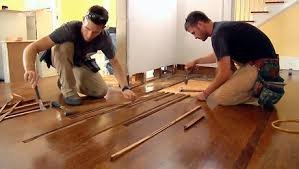
Common Causes of Floor Damp in the UK
Moisture problems often stem from:
- Rising damp from the ground
- Leaking pipes
- Poor ventilation
- Flooding or spills
- Faulty damp-proof courses (DPC)
Older UK properties are particularly vulnerable due to outdated construction methods.
Signs of Water Damage in Floors
Early detection can prevent costly repairs.
Look for:
- Warped or buckling floorboards
- Soft or spongy areas underfoot
- Discolouration or stains
- Musty odours
- Mould or mildew growth
Different flooring types react differently to moisture, so symptoms may vary.
Repairing Water-Damaged Hardwood Floors
Minor Damage:
- Dry the area immediately using fans or dehumidifiers
- Lightly sand and refinish if the surface is affected
Severe Damage:
- Replace warped boards
- Check and repair subfloor if necessary
Avoid delaying repairs, as prolonged moisture weakens timber.
Fixing Damp Under Laminate Flooring
Laminate is highly sensitive to water and often needs partial replacement.
Steps:
- Remove affected planks
- Dry the subfloor completely
- Install a moisture barrier
- Replace with new planks
Never reinstall laminate over a damp surface.
Treating Damp in Tile Floors
Tiles themselves are water-resistant, but moisture can seep through grout.
Solutions:
- Re-grout damaged areas
- Apply waterproof sealant
- Fix underlying leaks
If tiles become loose, adhesive failure due to damp may be the cause.
Subfloor Repairs
The subfloor is often the most affected part of water damage.
Common Issues:
- Rotting timber
- Mould growth
- Structural weakening
Repair Methods:
- Replace damaged sections
- Treat with anti-fungal solutions
- Improve ventilation
Proper subfloor repair is crucial for long-term results.
Preventing Damp Problems
Improve Ventilation
Install air bricks or extractor fans, especially in kitchens and bathrooms.
Use Damp-Proof Membranes
Modern membranes help block moisture from rising through floors.
Fix Leaks Quickly
Even small leaks can cause major damage over time.
Monitor Humidity Levels
Use a hygrometer to maintain healthy indoor conditions.
When to Seek Professional Help
Professional intervention is recommended if:
- Damp is widespread
- Structural damage is suspected
- Mould is severe
UK specialists can assess and treat underlying causes, not just visible damage.
Cost Considerations in the UK
Repair costs vary depending on severity:
- Minor fixes: low cost
- Partial floor replacement: moderate
- Structural repairs: higher investment
Addressing issues early always reduces long-term expenses.
Final Thoughts
Damp and water damage are serious concerns for UK homeowners, but they can be managed effectively with the right knowledge and timely action.
By identifying the source, repairing affected areas, and taking preventative measures, you can protect your floors and maintain a healthy living environment.