
Laminate flooring is one of the most widely used flooring options in the UK due to its affordability, durability, and stylish appearance. It’s especially popular in rental properties, new builds, and busy family homes.
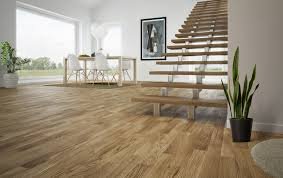
However, despite its resilience, laminate flooring is not immune to damage. From water exposure to chipped edges, issues can arise over time. Understanding how to fix these problems quickly can save both time and money.
Why Laminate Floors Get Damaged
UK homes present unique challenges for laminate flooring, including:
- High humidity levels
- Frequent rain leading to moisture indoors
- Heavy foot traffic
- Temperature fluctuations
These factors can lead to several common types of damage.
1. Swelling from Moisture
One of the biggest issues with laminate flooring in the UK is moisture damage.
Signs:
- Raised edges
- Bubbling surface
- Warped planks
Quick Fix:
If caught early:
- Dry the area immediately
- Use a dehumidifier or fan
- Apply weight to flatten minor swelling
For severe damage, the affected planks may need replacing.
2. Scratches and Scuffs
Although laminate is scratch-resistant, it’s not scratch-proof.
Causes:
- Moving furniture
- Pet claws
- Dirt and grit
Repair Method:
Use a laminate floor repair kit, which typically includes:
- Colour-matched filler
- Application tools
Fill the scratch and smooth it out. Once dry, it blends with the floor surface.
3. Chipped Edges
Chips often occur near doorways or high-traffic areas.
Fix:
- Clean the chipped area
- Apply laminate filler or putty
- Smooth and colour-match
For larger chips, replacing the plank is the best option.
4. Gaps Between Planks
Temperature changes in UK homes can cause laminate to expand and contract, leading to gaps.
Solution:
- Use a floor gap fixer tool
- Tap planks back into place using a rubber mallet
Ensure expansion gaps around walls are properly maintained.
5. Water Damage from Spills
Spills are common in kitchens and dining areas.
Immediate Action:
- Wipe spills instantly
- Dry thoroughly
If Damage Occurs:
Remove and replace affected planks. Unlike hardwood, laminate cannot be sanded or refinished.
Replacing Damaged Planks
One advantage of laminate flooring is that individual planks can be replaced without removing the entire floor.
Basic Steps:
- Identify the damaged plank
- Carefully remove surrounding planks (if click-lock system)
- Install a new matching plank
- Reassemble the floor
Always keep spare planks after installation—something many UK homeowners overlook.
Preventing Future Damage
Control Moisture
Use mats at entrances to reduce water tracking from outside—a common issue in the UK climate.
Use Protective Pads
Prevent scratches by placing pads under furniture.
Regular Cleaning
Avoid wet mopping. Use a damp (not wet) mop instead.
Maintain Indoor Climate
Keep humidity levels stable using ventilation or dehumidifiers.
Best Areas for Laminate Flooring
While laminate is versatile, it performs best in:
- Living rooms
- Bedrooms
- Hallways
Avoid using it in bathrooms or areas prone to high moisture unless specifically rated as water-resistant.
When to Replace Instead of Repair
If your floor shows:
- Widespread swelling
- Multiple damaged planks
- Persistent gaps
It may be more cost-effective to replace sections or the entire floor.
Final Thoughts
Laminate flooring is a practical and stylish option for UK homes, but it requires proper care to maintain its appearance. Most common issues can be fixed quickly with the right tools and knowledge.
By addressing damage early and following preventative measures, you can extend the life of your laminate floor and keep it looking fresh and durable.