
Vinyl flooring has become increasingly popular across the UK thanks to its affordability, water resistance, and modern designs. It’s commonly used in kitchens, bathrooms, and rental properties.
Despite its durability, vinyl flooring can develop issues over time, including tears, bubbles, and lifting edges. Fortunately, most of these problems can be fixed without replacing the entire floor.
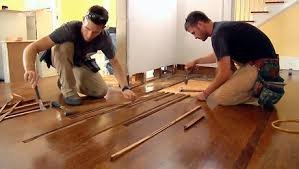
Why Vinyl Flooring Gets Damaged
UK homes often experience:
- High moisture levels
- Temperature changes
- Heavy foot traffic
These conditions can weaken adhesive and cause visible damage.
1. Fixing Bubbles in Vinyl Flooring
Bubbles are a common issue, especially in older installations.
Causes:
- Trapped air during installation
- Adhesive failure
- Moisture underneath
Repair Method:
Small Bubbles:
- Use a sharp utility knife to make a small slit
- Apply adhesive underneath
- Press flat and wipe excess glue
Larger Bubbles:
- Cut a cross shape
- Lift sections carefully
- Apply adhesive and press down
- Seal edges
Place a heavy object over the area for several hours to ensure proper bonding.
2. Repairing Tears and Cuts
Tears can occur from sharp objects or dragging furniture.
Using a Vinyl Repair Kit:
These kits are widely available in UK DIY stores.
Steps:
- Clean the damaged area
- Apply colour-matched filler
- Smooth and level the surface
- Allow to dry
For best results, choose a kit that matches your floor pattern.
3. Fixing Lifting Edges
Edges may lift due to moisture or worn adhesive.
Solution:
- Clean underneath the lifted section
- Apply vinyl adhesive
- Press firmly back into place
- Use a roller or heavy object to secure
This is especially important in kitchens where water exposure is frequent.
4. Replacing a Damaged Section
For severe damage, patching or replacing a section is often the best option.
Patch Repair Method:
- Cut out the damaged area in a neat square
- Cut a matching piece from spare vinyl
- Apply adhesive
- Fit the patch carefully
- Seal edges
Pattern alignment is crucial for a seamless finish.
Importance of Subfloor Condition
Vinyl flooring relies heavily on a smooth, stable subfloor.
Common UK Issues:
- Uneven concrete
- Damp subfloors
- Old adhesive residue
Before repairs, ensure the surface underneath is clean and level.
Preventing Future Vinyl Damage
Control Moisture
Use mats near entrances to reduce water brought in from rain—a common issue in the UK.
Avoid Dragging Furniture
Lift furniture instead of dragging it across the floor.
Use Protective Pads
Attach pads to furniture legs to prevent tears and scratches.
Regular Cleaning
Keep the floor free of dirt and grit that can cause wear.
Best Maintenance Practices
- Use a damp mop instead of soaking the floor
- Avoid harsh chemicals
- Inspect edges and seams regularly
Proper care significantly extends the lifespan of vinyl flooring.
When to Replace the Floor
Repair may not be enough if:
- Damage is widespread
- Adhesive failure occurs across large areas
- The vinyl is very old or brittle
In such cases, replacing the flooring ensures better long-term results.
Final Thoughts
Vinyl flooring is a practical solution for many UK homes, but like any material, it requires maintenance and occasional repair. The good news is that most issues—bubbles, tears, and lifting edges—can be fixed quickly with minimal tools.
By understanding the causes of damage and applying the right repair techniques, you can keep your vinyl floors looking clean, smooth, and durable for years.