
Introduction
Uneven floors are a common problem in older homes across the United States. Many homeowners notice sloping floors, soft spots, cracked tiles, squeaking boards, or gaps between walls and flooring. While some unevenness is normal in aging homes, serious floor problems can affect safety, comfort, and property value.
Floor unevenness can happen for many reasons, including foundation settling, damaged floor joists, moisture problems, or weakened subfloors. Ignoring the issue may lead to bigger structural problems and more expensive repairs later.
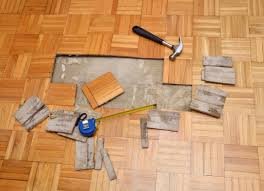
Understanding the causes of uneven floors and learning the correct repair methods can help homeowners restore stability and protect their investment.
Common Causes of Uneven Floors
Older homes naturally settle over time. As the house shifts slowly, floors may become uneven or sloped.
Foundation movement is one of the most common causes. Soil expansion, moisture changes, and poor drainage can affect the foundation and create floor movement above.
Damaged floor joists are another major problem. Wood joists may weaken because of age, water damage, termites, or excessive weight.
Subfloor damage can also create uneven surfaces. Moisture often weakens plywood or wooden subfloors, causing soft spots and sagging areas.
Poor original construction methods may contribute to floor issues in some older homes as well.
Signs Your Floor Is Uneven
Some uneven floors are obvious, while others develop slowly over time.
One common sign is furniture leaning slightly or moving on its own.
Homeowners may also notice gaps between the floor and baseboards, cracked walls, sticking doors, or squeaky floorboards.
Walking across the room may feel unstable or bouncy in damaged areas.
Tile cracks and separated hardwood planks can also indicate floor movement underneath.
Step 1: Identify the Cause of the Problem
Before starting repairs, homeowners must determine why the floor is uneven.
Simple cosmetic problems require different repairs than structural foundation issues.
Use a level to measure floor slopes and identify low spots.
Inspect the basement or crawl space underneath the floor if possible. Look for damaged joists, water stains, mold, or weakened supports.
If the cause is unclear, professional inspection may be necessary.
Step 2: Repair Foundation Problems
Foundation issues are one of the most serious causes of uneven floors.
Cracked foundations, sinking sections, or shifting supports may require professional repair.
Contractors often use foundation piers, slab jacking, or reinforcement systems to stabilize the structure.
Fixing the foundation first is essential because cosmetic floor repairs alone will not solve structural movement.
Step 3: Strengthen Weak Floor Joists
Floor joists support the weight of the flooring and furniture above.
Older joists may weaken over time because of moisture, termites, or natural aging.
One common repair method is sistering joists. This involves attaching new lumber beside weakened joists for added strength.
Additional support beams or adjustable columns may also help stabilize sagging floors.
Proper reinforcement improves both safety and floor performance.
Step 4: Repair Damaged Subfloors
Subfloors provide the base beneath finished flooring materials.
Water damage is one of the most common causes of weak subfloors.
Soft or rotting plywood should be removed and replaced immediately.
New subfloor panels must be installed securely to prevent movement and squeaking.
Moisture sources should also be fixed to prevent future damage.
Step 5: Use Self-Leveling Compounds
Minor uneven floors can sometimes be repaired using self-leveling compounds.
These products are commonly used under tile, vinyl, or laminate flooring.
The liquid material spreads across low spots and hardens into a smooth, level surface.
Proper preparation is important before applying leveling compounds. The floor must be clean, dry, and stable.
Self-leveling products work best for small surface variations rather than major structural problems.
Step 6: Repair Squeaky and Loose Flooring
Uneven floors often create squeaks and loose floorboards.
Loose hardwood planks can be secured using flooring screws or nails.
Subfloor movement may require additional fasteners or adhesive beneath the floor.
Repairing squeaks early helps prevent further floor damage.
Best Flooring Options for Uneven Floors
Some flooring materials perform better on slightly uneven surfaces.
Luxury vinyl plank flooring is flexible and handles minor imperfections well.
Engineered hardwood offers more stability than traditional solid hardwood.
Carpet can sometimes hide minor unevenness, although it will not fix structural issues.
Tile flooring usually requires very level surfaces to prevent cracking.
Preventing Future Floor Problems
Moisture control is one of the most important ways to prevent floor damage.
Homeowners should repair plumbing leaks, roof leaks, and drainage problems quickly.
Maintaining stable indoor humidity levels also helps protect wooden floor structures.
Regular inspections of basements and crawl spaces help identify issues before they become severe.
Pest control is also important because termites can weaken floor supports significantly.
When to Hire a Professional
Some uneven floor problems require professional expertise.
Major foundation movement, structural damage, and extensive rot should always be inspected by contractors or structural engineers.
Professionals have specialized tools for measuring floor movement and identifying hidden damage.
Hiring experts early may prevent larger repair costs in the future.
Cost of Uneven Floor Repairs
Repair costs vary greatly depending on the cause of the problem.
Minor leveling repairs may cost only a few hundred dollars.
Subfloor replacement and joist reinforcement can cost several thousand dollars.
Major foundation repairs are usually the most expensive.
Although repairs can be costly, ignoring uneven floors often leads to even greater structural damage over time.
Importance of Regular Home Inspections
Older homes benefit greatly from regular structural inspections.
Professional inspections can identify moisture issues, weak supports, and early signs of foundation movement.
Early detection allows homeowners to repair small issues before major damage occurs.
Routine maintenance also helps preserve home value and improve safety.
Conclusion
Uneven floors in older homes should never be ignored. While some floor movement is natural with aging houses, serious unevenness may indicate structural problems beneath the surface.
By identifying the cause, repairing damaged joists and subfloors, controlling moisture, and strengthening weak areas, homeowners can restore stability and safety to their floors.
Proper maintenance and timely repairs help older homes remain strong, comfortable, and valuable for many years.