
Introduction
Hardwood flooring adds beauty, value, and elegance to homes across the United States. Many homeowners prefer hardwood because it lasts for decades and creates a timeless appearance. However, even the strongest hardwood floors can develop scratches, dents, and surface damage over time.
Daily foot traffic, moving furniture, pet claws, and accidental impacts are common causes of floor damage. Small scratches may seem harmless at first, but if ignored, they can become more noticeable and affect the overall appearance of the home.
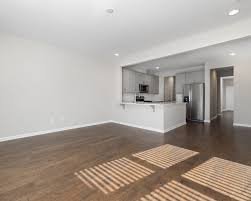
The good news is that most hardwood floor scratches and dents can be repaired without replacing the entire floor. With the right tools and repair methods, homeowners can restore hardwood flooring and keep it looking beautiful for years.
Common Causes of Hardwood Floor Damage
Hardwood floors face constant use every day. One of the most common causes of scratches is furniture movement. Chairs, tables, and couches dragged across the floor can leave visible marks on the wood surface.
Pet claws are another major cause of scratches, especially in homes with large dogs. Dirt and sand brought in from outside can also act like sandpaper under shoes.
Heavy objects dropped on the floor may create dents or cracks. High heels and sharp furniture legs often leave pressure marks on softer wood species.
Moisture and temperature changes can weaken hardwood flooring over time, making it more vulnerable to surface damage.
Types of Hardwood Floor Scratches
Not all scratches are the same. Understanding the type of damage helps determine the best repair method.
Surface scratches only affect the protective finish layer. These are usually light marks that can be repaired easily.
Deep scratches penetrate the wood itself and may require filling, sanding, or refinishing.
Gouges are larger damaged areas where wood fibers are removed completely. These usually require wood filler or board replacement.
Dents are different from scratches because the wood becomes compressed instead of cut.
Step 1: Clean the Damaged Area
Before repairing scratches or dents, clean the area carefully.
Dust and dirt can interfere with repair products and make scratches more visible.
Use a microfiber cloth or soft broom to clean the floor gently.
Avoid excessive water because moisture can damage hardwood flooring.
Using a hardwood-safe cleaner helps prepare the surface for repair.
Step 2: Repair Minor Surface Scratches
Minor scratches are usually the easiest to fix.
Wood touch-up markers and stain pens are popular repair tools for light scratches. These products come in different wood shades to match common flooring colors.
Apply the marker carefully over the scratch and wipe away excess color immediately.
Another simple solution is using a hardwood floor polish or scratch concealer.
These products help blend light scratches into the surrounding finish.
Step 3: Fix Deep Scratches
Deep scratches require more detailed repairs.
Wood filler or putty works well for scratches that penetrate beneath the finish layer.
Choose a filler color that closely matches the flooring.
Apply the filler using a putty knife and smooth the surface carefully.
Allow the filler to dry fully before sanding lightly.
After sanding, apply matching stain and protective finish if needed.
Step 4: Repair Hardwood Floor Dents
Dents can often be repaired without replacing the wood.
One popular method involves using moisture and heat to expand compressed wood fibers.
Place a damp cloth over the dent and gently apply heat using an iron on low temperature.
The moisture helps the wood fibers swell back into shape.
Repeat the process carefully until the dent improves.
Deep dents may still require filling and refinishing if the damage is severe.
Step 5: Sand and Refinish Damaged Areas
Sanding helps remove scratches, stains, and uneven surfaces.
For small repairs, hand sanding may be enough. Larger damaged areas may require an orbital sander.
Always sand in the direction of the wood grain to avoid visible marks.
After sanding, clean away all dust before applying stain or finish.
Polyurethane is one of the most common hardwood finishes in American homes because it offers strong protection against scratches and moisture.
Step 6: Replace Severely Damaged Boards
Some hardwood boards become too damaged for simple repairs.
Large cracks, deep gouges, water damage, and rotting wood may require board replacement.
The damaged board is carefully cut and removed without affecting nearby planks.
A matching replacement board is then installed and refinished to blend with the surrounding floor.
Choosing the correct wood species and stain color is important for seamless repairs.
Best Tools for Hardwood Floor Repair
Having the right tools makes hardwood floor repair much easier.
Common repair tools include wood fillers, stain markers, putty knives, sandpaper, orbital sanders, microfiber cloths, and polyurethane finishes.
Professional repair kits designed specifically for hardwood flooring can also help homeowners achieve better results.
Preventing Future Hardwood Floor Damage
Preventive maintenance is the best way to protect hardwood floors.
Furniture pads help reduce scratches caused by chairs and tables.
Area rugs in high-traffic areas protect against daily wear.
Keeping pet nails trimmed also reduces surface scratches.
Homeowners should avoid walking on hardwood floors with high heels or dirty shoes.
Maintaining proper indoor humidity levels helps prevent wood expansion and contraction.
Best Cleaning Methods for Hardwood Floors
Proper cleaning extends the lifespan of hardwood flooring.
Sweep or vacuum regularly to remove dirt and grit.
Use hardwood-safe cleaners instead of harsh chemicals.
Steam mops should generally be avoided because excessive moisture can damage wood.
Microfiber mops are ideal because they clean effectively without leaving excess water behind.
Choosing Durable Hardwood Flooring
Some hardwood species resist scratches better than others.
Oak, maple, and hickory are among the most durable hardwood flooring options.
Softer woods like pine may dent and scratch more easily.
Engineered hardwood flooring is another popular option because it provides improved moisture resistance and stability.
Choosing durable flooring materials helps reduce future repair needs.
When to Hire a Professional
Some hardwood floor repairs are too difficult for DIY methods.
Large refinishing projects, structural damage, and widespread water damage usually require professional expertise.
Professionals use advanced sanding equipment and moisture testing tools to ensure quality repairs.
Hiring experienced contractors may save money by preventing costly mistakes.
Cost of Hardwood Floor Repairs
Repair costs depend on the severity of the damage.
Minor scratch repairs may cost less than one hundred dollars using DIY products.
Professional refinishing costs vary depending on room size and floor condition.
Board replacement and water damage repairs can cost several thousand dollars in severe cases.
Preventive maintenance is often much cheaper than major restoration work.
Conclusion
Hardwood floor scratches and dents are common problems in busy households, but most damage can be repaired successfully without replacing the entire floor.
By cleaning properly, repairing scratches early, refinishing damaged areas, and protecting the floor from future wear, homeowners can keep hardwood floors looking beautiful for decades.
Regular maintenance and quick repairs are the keys to preserving both the appearance and value of hardwood flooring.