
Commercial flooring in the UK faces constant pressure from foot traffic, equipment, and daily operations. Whether in retail shops, offices, restaurants, or rental properties, maintaining floors is essential for safety, aesthetics, and long-term cost efficiency.
Damaged flooring not only looks unprofessional but can also pose serious health and safety risks. This guide covers everything you need to know about commercial floor repair in the UK.
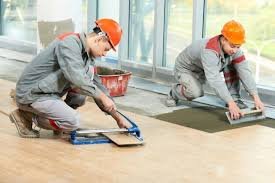
Why Commercial Floor Maintenance Matters
In commercial environments, floors are one of the most heavily used surfaces.
Key Reasons to Maintain Flooring:
1. Safety Compliance
UK workplace regulations require safe environments. Damaged floors can lead to trips and injuries.
2. Professional Appearance
First impressions matter. Worn or damaged floors can negatively impact customers and clients.
3. Cost Savings
Regular repairs are far cheaper than full replacements.
4. Durability
Proper maintenance extends the lifespan of flooring materials.
Common Types of Commercial Flooring in the UK
Different businesses use different flooring types, each with its own repair needs.
- Vinyl and LVT (Luxury Vinyl Tiles)
- Carpet tiles
- Ceramic or porcelain tiles
- Concrete floors
- Laminate flooring
Understanding the material helps determine the correct repair method.
Common Commercial Floor Problems
1. Worn Surfaces
High foot traffic leads to fading and surface wear.
2. Cracks and Chips
Common in tile and concrete flooring.
3. Loose Flooring
Tiles or planks may lift due to adhesive failure.
4. Water Damage
Spills and cleaning can weaken flooring over time.
5. Carpet Damage
Stains, tears, and dents are frequent in office environments.
Repairing Vinyl and LVT Flooring
Vinyl is widely used in UK commercial spaces due to its durability.
Repair Methods:
- Use heat and adhesive to fix lifting edges
- Patch damaged sections
- Replace individual tiles
Quick repairs minimise downtime and keep businesses running smoothly.
Fixing Carpet Tiles in Offices
Carpet tiles are a popular choice in offices because they are easy to maintain.
Advantages:
- Individual tiles can be replaced
- Cost-effective repairs
- Minimal disruption
Repair Steps:
- Remove damaged tile
- Clean the area
- Install a new tile
Rotating tiles periodically can also help distribute wear evenly.
Tile and Stone Floor Repairs
Tiles are common in retail and hospitality settings.
Common Fixes:
- Replace cracked tiles
- Reapply adhesive for loose tiles
- Re-grout worn joints
Sealing tiles helps protect against future damage.
Concrete Floor Repairs in Commercial Spaces
Concrete is often used in warehouses and industrial settings.
Repair Options:
- Fill cracks with industrial-grade compounds
- Grind uneven surfaces
- Apply protective coatings
Epoxy coatings are especially popular in UK commercial environments.
Minimising Business Disruption
One of the biggest challenges in commercial floor repair is avoiding downtime.
Strategies:
- Schedule repairs outside business hours
- Use fast-drying materials
- Repair in sections
Planning ahead ensures minimal impact on operations.
Health and Safety Regulations in the UK
Employers have a legal duty to maintain safe premises.
Key Considerations:
- Slip resistance
- Even surfaces
- Clear walkways
Failure to maintain flooring can result in legal consequences.
Preventative Maintenance Plan
A proactive approach saves money and reduces disruptions.
Best Practices:
- Regular inspections
- Immediate repair of minor issues
- Professional cleaning
- Use of protective mats
Cost Considerations
Costs vary depending on:
- Type of flooring
- Extent of damage
- Labour requirements
General Guide:
- Minor repairs: low cost
- Section replacement: moderate
- Full replacement: high investment
When to Replace Commercial Flooring
Replacement may be necessary if:
- Damage is extensive
- Flooring is outdated
- Safety risks cannot be fixed
Upgrading flooring can also improve energy efficiency and aesthetics.
Choosing the Right Repair Approach
Consider:
- Type of business
- Foot traffic levels
- Budget
- Long-term goals
In many cases, a mix of repair and replacement is the best solution.
Final Thoughts
Commercial floor repair in the UK is not just about appearance—it’s about safety, compliance, and long-term cost management. With the right approach, businesses can maintain durable, attractive flooring without major disruptions.
Regular maintenance, timely repairs, and professional support when needed will ensure your commercial floors remain in excellent condition for years to come.